Source ROV Cable for Overhead, Heating, and Underground Uses
Find 30 verified ROV Cable options suitable for overhead, heating, and underground applications. Buyers can compare specifications like insulation material, conductor type, and certifications including CCC, CE, and ISO to select the right supplier for their project needs.
Key considerations
Products List


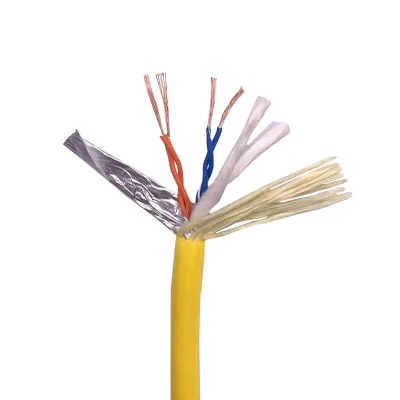


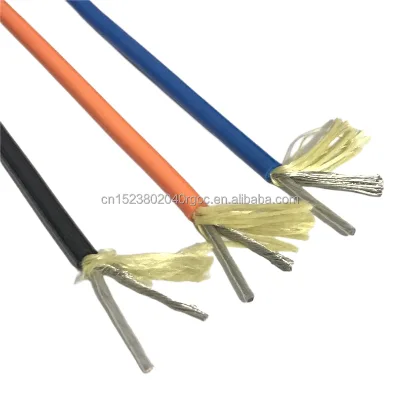


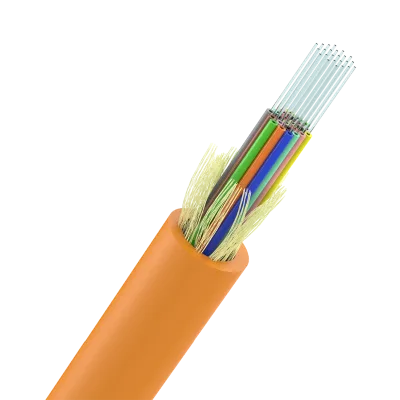

Comprehensive Sourcing Guide
Strategic Sourcing Guide for ROV Cable Procurement
Navigating the global market for ROV (Remotely Operated Vehicle) cables requires a disciplined approach that balances technical performance with rigorous supply chain verification. For procurement professionals, the distinction between generic wire and specialized ROV cable is critical, as the former often fails to meet the extreme pressure, corrosion, and data integrity demands of underwater operations. This guide synthesizes observed market data and verified product attributes to provide a framework for sourcing, evaluating, and validating ROV cable solutions without relying on unverified claims or speculative market figures.
Technical Specifications and Conductor Architecture
The foundational element of any ROV cable is its conductor architecture and insulation profile. Based on observed product attributes in the current market, ROV cables frequently utilize copper as the primary conductor material. This choice is driven by copper's superior conductivity and ductility, which are essential for transmitting power and data signals over long distances without significant voltage drop. The physical form of the conductor is typically stranded rather than solid. Stranded construction offers the necessary flexibility to withstand the dynamic bending and twisting motions inherent in ROV deployment and recovery operations, preventing fatigue failure in the wire strands.
Insulation materials play an equally vital role in determining the cable's operational envelope. While standard applications may utilize rubber insulation, high-performance ROV cables often require specialized polymers that resist water absorption and chemical degradation. The observed market data indicates a prevalence of rubber insulation in general wire categories, but buyers must verify if the specific ROV product utilizes a cross-linked or fluoropolymer variant for deep-sea applications. The cable type is universally classified as insulated, ensuring electrical isolation between conductors and the environment. Furthermore, the physical shape of the wire is predominantly round, facilitating standard extrusion processes and consistent jacketing. However, for specific sub-assemblies, flat wire configurations may appear in auxiliary components, though the primary power and data lines remain round.
Compliance, Certification, and Regulatory Standards
In the industrial and marine sectors, certification is not merely a formality but a prerequisite for liability and safety. The observed product data reveals a robust landscape of certifications, including CCC (China Compulsory Certification), CE (Conformité Européenne), ISO standards, RoHS (Restriction of Hazardous Substances), UL (Underwriters Laboratories), CSA (Canadian Standards Association), VDE (Verband der Elektrotechnik), and CCS (China Classification Society). For ROV cables, the presence of CCS certification is particularly significant, as it indicates compliance with marine classification society requirements for underwater equipment.
Buyers must verify that the specific ROV cable model carries the relevant certifications for the intended operational region and depth. While the data lists certifications such as RoHS, PAHs, and ISO9001 for related audio and video cables, the ROV-specific product line explicitly lists CCC, CE, ISO, and CCS. It is crucial to distinguish between general wire certifications and those specific to marine applications. The standard "Multicore" designation suggests the cable contains multiple insulated conductors within a single jacket, a common configuration for ROVs that require simultaneous power, video, and telemetry transmission. Procurement teams should request valid certificates of conformity for the specific batch, ensuring that the listed certifications (e.g., VDE, UL) are current and applicable to the specific voltage and temperature ratings of the cable.
Cost Drivers and Pricing Dynamics
Understanding the cost structure of ROV cables is essential for budgeting and supplier negotiation. The observed market data indicates a wide price range, spanning from $0.01 to $10,000 USD. This vast disparity reflects the diversity of products available, from simple auxiliary wires to complex, multi-conductor, pressure-rated umbilicals. The price is not a linear function of length but is heavily influenced by the complexity of the construction, the quality of the insulation, and the certification level.
Several factors drive the cost of ROV cables. First, the conductor material and stranding density directly impact the raw material cost. Second, the insulation and jacketing materials, particularly those designed for high-pressure or corrosive environments, are significant cost components. Third, the level of customization available, such as specific color coding (Black, White, or Three Color Line) or custom lengths, adds to the manufacturing complexity. The observed Minimum Order Quantity (MOQ) ranges from 1 to 3000 units, suggesting that smaller buyers can access custom solutions, though at a higher per-unit cost. Conversely, larger orders may benefit from economies of scale, but the lead time for production is typically around one month, which must be factored into the total cost of ownership regarding project timelines.
Typical Applications and Operational Environments
ROV cables are engineered for a specific set of demanding applications. The primary use cases identified in the market data include overhead, heating, and underground applications, though for ROVs, the "underground" and "overhead" descriptors often translate to underwater and subsea environments. The cable must function reliably in conditions where it is subjected to high hydrostatic pressure, saltwater corrosion, and mechanical abrasion.
Beyond the primary ROV function, the data also highlights applications in audio and video transmission, such as for microphones, telephones, multimedia devices, monitors, and game players. While these consumer applications are distinct from deep-sea ROV operations, they share the requirement for high-quality signal transmission and durable insulation. In the context of ROVs, the cable serves as the umbilical, connecting the vehicle to the surface support vessel. It must support data transmission functions, charging functions, and often power delivery. The interface types can vary, including USB, RCA, and DSUB connectors, depending on the specific ROV model and the data protocols it employs. The "Universal" and "Customized" attributes indicate that while some cables are designed for standard interfaces, many are tailored to specific ROV architectures, requiring precise matching of connector types and pinouts.
Supplier Evaluation and Manufacturing Capabilities
When evaluating potential suppliers for ROV cables, buyers should look beyond the basic product listing and assess the manufacturer's capability to deliver consistent quality. The observed data highlights "Factory" as a key advantage, suggesting that direct manufacturing relationships can offer better control over quality and pricing. Suppliers offering OEM (Original Equipment Manufacturer) and ODM (Original Design Manufacturer) services are particularly valuable, as they can adapt the cable design to meet specific ROV requirements, such as custom jacketing colors or specialized connector configurations.
The geographic origin of the products is another critical factor. The data indicates origins in Anhui and Jiangsu, China, which are known manufacturing hubs for electrical components. Buyers should verify the specific factory location and its track record in marine or industrial cable production. The availability of customization options, such as "Optional" packing (PE Bag, Blister, Carton, or Polybag), allows buyers to tailor logistics to their needs. However, the "One Piece One Polybag" or "Depend on You" packing options suggest a high degree of flexibility that must be managed carefully to prevent damage during transit. Suppliers must demonstrate the ability to maintain the integrity of the cable's insulation and jacketing during packaging and shipping, especially for long lead times.
Quality Control and Long-Term Procurement Considerations
Quality control in ROV cable procurement extends beyond the initial purchase. The observed lead time of one month implies a production cycle that requires careful planning. Buyers should implement a rigorous inspection protocol that includes visual checks for insulation defects, continuity testing for conductors, and verification of certification documents. The "Data Transmission Function" and "Charging Function" attributes highlight the dual role of the cable; therefore, testing must validate both power delivery efficiency and signal integrity.
Long-term procurement considerations involve the reliability of the supply chain and the availability of spare parts. The "Customized" nature of many ROV cables means that finding a replacement or additional length later can be challenging if the original supplier is no longer available. Therefore, establishing a long-term relationship with a supplier who maintains the tooling and design specifications is crucial. The "Universal" and "Customized" duality suggests that while standard cables exist, the most critical ROV applications often require bespoke solutions. Buyers should ensure that the supplier retains the design files and material specifications for future re-ordering. Additionally, the "Multicore" standard implies that the cable is designed for complex systems; any failure in one core can compromise the entire system, making batch testing and traceability essential.
Comparative Analysis of Cable Attributes
To assist in the selection process, the following table summarizes the key attributes observed in the market for ROV and related cable products. This comparison helps buyers distinguish between general wire products and those suitable for specialized ROV applications.
| Attribute Category | Observed ROV/Industrial Attributes | General Consumer/Alternative Attributes | Procurement Implication |
|---|---|---|---|
| Conductor Material | Copper | Copper | Verify stranding density for flexibility. |
| Insulation Material | Rubber (Verify specific grade) | Rubber | Ensure marine-grade resistance to water/pressure. |
| Conductor Type | Stranded | Stranded | Essential for dynamic bending in ROV operations. |
| Application Scope | Overhead, Heating, Underground | Microphone, Multimedia, Monitor | Confirm suitability for subsea/underwater use. |
| Certification | CCC, CE, ISO, CCS, UL, VDE | RoHS, CE, ISO9001 | Prioritize CCS/UL for marine safety compliance. |
| Product Model | ROV Cable, HITEK Series | 3rca to 3rca, USB, DSUB | Match model to specific ROV interface requirements. |
| Origin | Anhui, Jiangsu, China | China | Verify factory location for quality assurance. |
| Customization | Available, OEM/ODM Yes | Customized, Optional | Leverage OEM capabilities for specific needs. |
| Packing | Optional, PE Bag, Carton | One Piece One Polybag | Ensure packaging protects against moisture and damage. |
In conclusion, sourcing ROV cables requires a meticulous approach that prioritizes technical specifications, certification validity, and supplier capability. By focusing on the verified attributes of copper conductors, stranded construction, and marine-grade certifications, buyers can mitigate the risks associated with underwater operations. The wide range of available options, from standard multicore cables to highly customized solutions, offers flexibility, but it demands rigorous due diligence to ensure that the selected cable meets the exacting standards of the ROV industry.
FAQs
What certifications are required for ROV cables?
ROV cables typically require certifications like CCC, CE, ISO, CCS, UL, and VDE. Buyers must verify that specific models carry marine-grade approvals such as CCS to ensure compliance with underwater safety standards and liability requirements.
How is the conductor material constructed in these cables?
The conductor material is copper, and the construction is stranded rather than solid. This stranded design provides the necessary flexibility to withstand dynamic bending and twisting during ROV deployment without causing fatigue failure in the wire strands.
Can I customize the cable specifications and packaging?
Yes, customization is available for specifications and packaging options. Suppliers offer flexible packing methods like PE bags, blisters, or cartons, and can adapt cable colors or lengths to meet specific project requirements and logistical needs.
What is the typical lead time for delivery?
The standard delivery time is approximately one month. This production cycle requires careful project planning, so buyers should factor this duration into their total cost of ownership and schedule to avoid delays in their operations.
Where are these cables manufactured and what is the origin?
The products originate from manufacturing hubs in Anhui and Jiangsu, China. Buyers should verify the specific factory location to ensure quality assurance and confirm the manufacturer's track record in producing marine or industrial electrical components.
What is the minimum order quantity for these cables?
The minimum order quantity ranges from 1 to 3000 units depending on the supplier. Smaller buyers can access custom solutions, though larger orders may benefit from economies of scale while maintaining the standard one-month lead time.